Living along Florida’s northeast coast—from St. Augustine to Palm Coast—I’ve spent over a decade dealing with cockroach infestations in homes across St. Johns and https://highstylife.com/why-do-roaches-hide-in-wall-cavities-and-appliance-motors/ Flagler Counties. One of the most misunderstood aspects of pest control isn’t just killing roaches, but understanding the lingering health risks they leave behind—especially allergens linked to asthma.
In this post, I’ll break down the critical differences between extermination and allergen removal, using specific tools and strategies like HEPA filter vacuuming and wet-wiping instead of dry-dusting. I’ll also shed light on key topics including cockroach allergen proteins, the challenges Florida’s humid climate presents, and the differences between the American cockroach (yes, the “palmetto bug”) and the German cockroach.
Extermination vs. Allergen Removal: What Are We Really Talking About?
When most people call a pest control professional, they want roaches gone. That means extermination: applying treatments to kill and eliminate live cockroaches. Extermination focuses on ending an infestation by targeting the bugs themselves.
But here’s the catch: cockroach ac drain pan not draining bodies, droppings, saliva, and shed skins contain allergenic proteins that can trigger asthma and other respiratory problems. Even after the pests are dead, these allergen particles remain in your home’s dust and crevices.
Allergen removal is a separate but equally important process that involves deep cleaning to reduce or eliminate these proteins—essential for long-term relief from allergy symptoms and asthma attacks.
Why Extermination Alone Isn’t Enough
- Killing roaches vs. removing allergen dust: Successfully exterminating cockroaches ends the infestation, but the allergenic proteins they leave behind can persist for months if not cleaned thoroughly. Hidden infestations: Cockroaches hide in tiny cracks, behind appliances, and inside walls. This means allergen dust can accumulate in out-of-sight areas, continuing to impact health even after treatment. Cleaning after treatment: Many homeowners spray, kill roaches, then forget to deep clean. Without cleaning strategies tailored to allergen removal, dust containing Bla g and Per a proteins stays airborne and settles back on surfaces.
Cockroach Allergens and Their Impact on Asthma
Research over the past two decades has shown that cockroach allergen exposure is a significant contributor to asthma severity, especially in inner-city and humid environments—sound familiar for our Florida coastline?
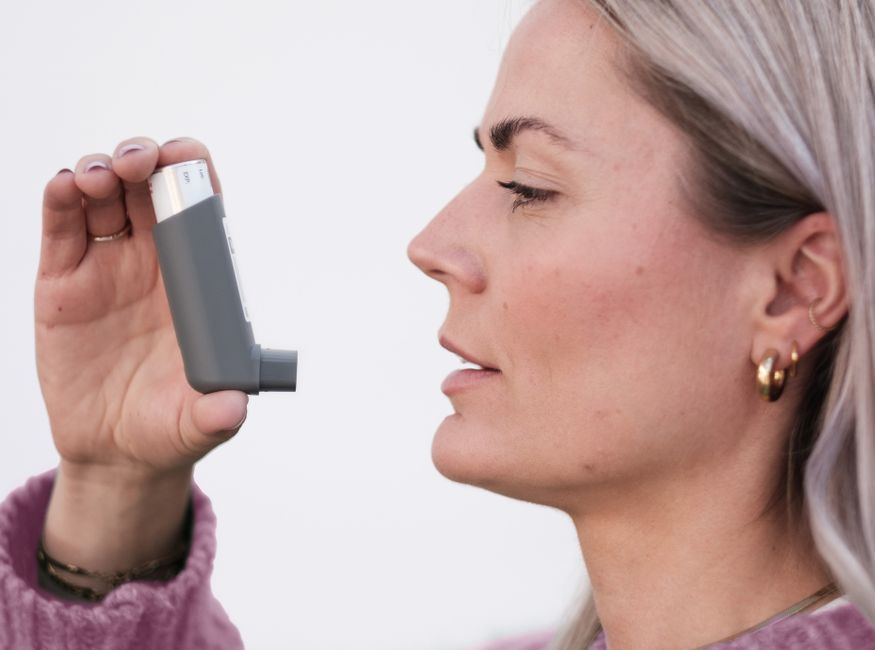
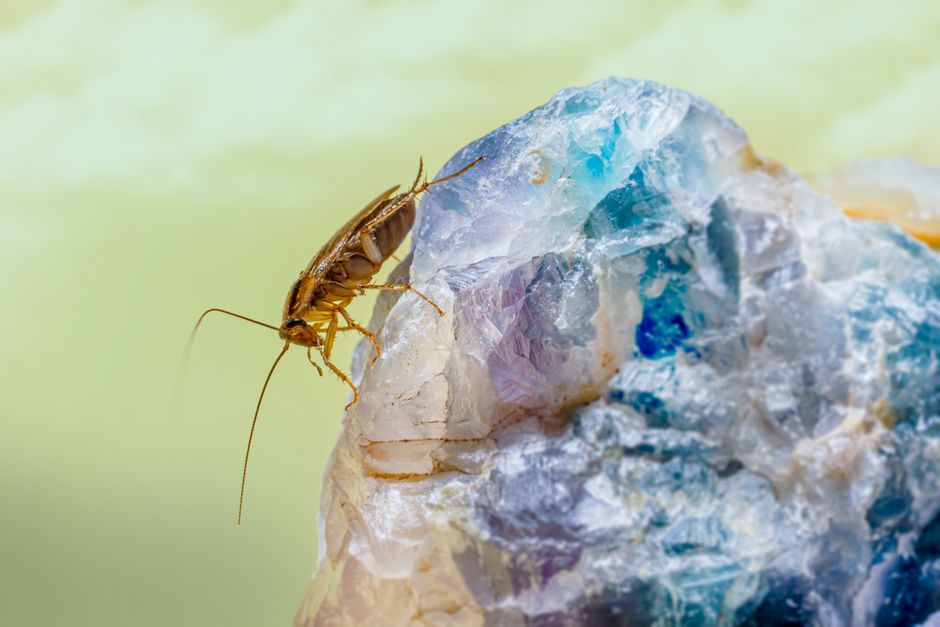
These proteins are found in cockroach feces, saliva, and body parts. When disturbed, they become airborne as fine dust particles that can be inhaled, exacerbating respiratory conditions.
Florida’s Year-Round Humidity Makes the Problem Worse
Our climate along the northeast coast features persistent warmth and over 70% humidity most of the year. This environment encourages:
Year-round roach activity: Unlike northern states, where cockroaches may die back in winter, Florida’s roaches stay active, continuing allergen production year-round. High allergen dust levels: Humidity causes allergen proteins to adhere and accumulate on surfaces, making dry cleaning ineffective. Pressure from outdoors: The constant influx of roaches from mulch, yards, and drainage areas outside homes creates a recurring infestation risk.American Cockroach (Palmetto Bug) vs. German Cockroach: What’s the Deal?
Let me get this out of the way—please don’t call every roach a “palmetto bug.” It’s a pet peeve of mine! Here’s why knowing the difference matters:
Characteristic American Cockroach (Palmetto Bug) German Cockroach Scientific Name Periplaneta americana Blattella germanica Size 1.5 to 2 inches (large) 0.5 to 0.6 inches (small) Preferred Habitat Outdoors, sewers, warm moist places around buildings Indoors, kitchens, bathrooms, inside walls Allergen Potential Significant; Per a allergens Highly significant; Bla g allergensGerman cockroaches
Tools and Techniques for Effective Allergen Removal Post-Extermination
Killing roaches is just the starting point. If you want to truly protect your family’s health, especially for those with asthma or allergies, the post-treatment cleaning phase must focus on removing allergenic dust and protein particles—not just killing bugs.
1. HEPA Filter Vacuuming
Using a vacuum equipped with a High-Efficiency Particulate Air (HEPA) filter is key for capturing fine cockroach allergen particles from carpets, floors, baseboards, and upholstery.
- Regular vacuums can reintroduce allergen dust into the air; HEPA filters trap >99.97% of particles as small as 0.3 microns. Vacuum under and behind furniture and appliances—you can’t just clean visible areas! Frequent vacuuming after treatment reduces airborne allergens and prevents the buildup of dust reservoirs.
2. Wet-Wiping Instead of Dry-Dusting
Dry dusting keeps allergens airborne longer, irritating asthma and allergies. Wet-wiping with damp cloths or microfiber products traps and removes allergen dust effectively.
- Focus on kitchen counters, shelves, window sills, baseboards, and inside cabinets. Use gentle cleaners that won’t leave irritating residues but help remove protein particles. Clean after each extermination visit to reduce the allergenic load.
3. Pull the Fridge Out Before You Buy Another Spray
Here’s my personal tip of the trade that I always tell homeowners: don’t waste money spraying in front of your refrigerator or stove without pulling them out first! Hidden cockroach dirt and allergen dust accumulates behind these big appliances, which are prime roach harborage spots.
Removing and cleaning behind appliances with HEPA vacuuming and wet wiping will dramatically improve allergen removal and long-term success.
Why You Should Avoid Bug Bombs (Foggers)
Bug bombs are a pet peeve of mine because I see so many folks relying on them without understanding the true problem. They might kill some roaches temporarily, but they:
- Do nothing to remove allergen dust Often miss hidden infestations Disperse chemicals that settle on surfaces without cleaning pests or proteins
Instead of wasting money and exposing your family to chemical fog, focus on professional treatment paired with targeted allergen removal cleaning techniques.
Summary: The Smart Approach to Roach Control and Respiratory Health
Extermination: Use professional-grade insecticides to kill live roaches and disrupt breeding cycles. Allergen removal: Use HEPA vacuuming and wet wiping after treatment to eliminate persistent cockroach proteins. Understand your roach types: American cockroach (“palmetto bug”) outdoors, German cockroach indoors are different pests with unique challenges. Don’t rely on bug bombs or dry dusting—they won’t address underlying allergen problems. Regular cleaning under appliances and hidden areas is essential for success.For homeowners in northeast Florida dealing with year-round humidity and persistent roach pressure, combining professional extermination with diligent allergen removal practices is the only way to protect your family’s health in the long term.
Need advice on pulling out that fridge or picking the right HEPA vacuum? Don’t hesitate to reach out—I’ve seen it all too many times to let anyone suffer from avoidable asthma triggers!