As the wellness trend boom continues to surge into 2026, stress management has become a dominant topic among health-conscious individuals and professionals alike. Between the relentless social media hype cycles promoting the latest “miracle” supplements and gadgetry, and the ever-growing public interest in gut health and the microbiome’s connection to mental wellbeing, consumers are often left wondering what truly works without emptying their wallets.
In this post, I'll explore stress management approaches that are evidence-based and freely accessible. Drawing on insights from the Ultimate Blogs community and reputable sources like the General Pharmaceutical Council, we’ll cut through the marketing noise to focus on practical strategies you can try today—without spending a penny.
Wellness Trend Boom in 2026: Why Stress Management is Front and Center
The wellness industry has been growing rapidly over the past decade, and 2026 is set to be a landmark year in this expansion. Driven largely by increased awareness of mental health and holistic medicine, stress management is now seen as a critical part of overall health—alongside physical fitness and nutrition.
Companies like Releaf are innovating in how stress and related conditions are assessed and managed, using specialist assessment and prescription pathways that integrate personalised healthcare approaches. Yet, it's important to remember that many stress reduction techniques need no purchase at all.
Social Media Hype Cycles: Amplification Without Evidence
Social media platforms act as powerful amplification channels for wellness trends. Influencers and brands often promote quick fixes like supplements, detox teas or expensive gadgets. While these may have their place, marketing frequently outpaces science.
Studies show that many followers adopt trending wellness products without thoroughly verifying their safety or efficacy. The General Pharmaceutical Council reminds consumers to microbiome testing worth it scrutinize health claims carefully and seek professional advice before beginning any new regimen.
That’s why it’s refreshing to highlight approaches to managing stress based on time-tested evidence—approaches that don’t rely on costly purchases or novel fads.
Evidence-Based, Cost-Free Strategies for Stress Management
Let’s look at some of the best tools and habits, grounded in clinical research, that individuals can incorporate into their daily lives without spending money.
1. Breathing Exercises
Deep and mindful breathing exercises have long been demonstrated to activate the parasympathetic nervous system—the branch responsible for rest, relaxation, and recovery. Techniques such as diaphragmatic breathing, box breathing, or the 4-7-8 method help reduce heart rate, lower cortisol levels, and promote a calm state of mind.
You don’t need fancy equipment; just a quiet place and a few minutes daily to practice.
2. Sleep and Stress: Prioritizing Rest for Resilience
Sleep quality and stress levels are inextricably linked. Chronic sleep deprivation disrupts hormone regulation and impairs emotional processing, increasing stress susceptibility.
Simple, no-cost strategies to improve sleep hygiene include:
- Establishing a consistent sleep schedule Limiting screen time at least an hour before bed Creating a cool, dark, and quiet sleeping environment Avoiding caffeine and heavy meals near bedtime
Improving restorative sleep without relying on supplements or gadgets is one of the most effective ways to reduce stress naturally.
3. Movement and Physical Activity
Regular physical activity reduces levels of stress hormones and releases endorphins, natural mood lift hormones. Even something as simple as a brisk 10-15 minute walk outdoors can boost resilience against stress triggers.
No gym membership or equipment is necessary. Stretching, yoga, or bodyweight exercises done in your home or local parks are excellent stress busters.
Emerging Interests: Gut Health, the Microbiome, and Stress
One of the most exciting frontiers in stress research is the role of gut health. The gut-brain axis—a communication network connecting the digestive tract and the central nervous system—suggests our microbiome directly influences mood and stress responses.
While many brands exploit this interest with probiotic supplements and specialized diets, the evidence indicates that fostering microbiome diversity through natural means—like eating a fiber-rich diet and reducing processed foods—is crucial.
Again, these approaches often require no additional purchases beyond prioritising wholesome foods and mindful eating.
When Professional Help Is Advisable: Specialist Assessment and Prescription Pathways
For some, stress reaches levels that demand more than lifestyle interventions. This is where professional assessment becomes invaluable.

Companies like Releaf provide pathways that include in-depth specialist assessments and personalised prescriptions for managing complex stress-related conditions. These services combine clinical expertise with patient-centred care.
The General Pharmaceutical Council stresses the importance of regulated healthcare professionals overseeing such pathways to ensure safety and efficacy.
For many, however, initial stress management steps begin at home using evidence-based, no-cost techniques.
Summary Table: Stress Management Approaches Without Spending Money
Technique Key Benefits How to Get Started Breathing Exercises Promotes relaxation; lowers cortisol and heart rate Practice diaphragmatic or box breathing for 5 mins daily Sleep Hygiene Improves emotional resilience; reduces stress hormones Maintain routine; limit screens; create restful sleeping space Physical Activity Boosts endorphins; reduces stress hormones Walk, stretch, or do home exercises regularly Gut Health Focus Supports mood regulation via gut-brain axis Eat fibre-rich foods, reduce processed food intakeFinal Thoughts
While the 2026 wellness boom offers many new ways to tackle stress, it’s wise to be cautious of marketing hype. Ultimately, some of the most effective stress management methods cost https://bizzmarkblog.com/how-do-you-get-genuine-thc-products-legally-in-the-uk/ nothing but time and consistency. Incorporating breathing exercises, improving sleep routines, getting regular movement, and nurturing gut health form a solid foundation for mental wellbeing.
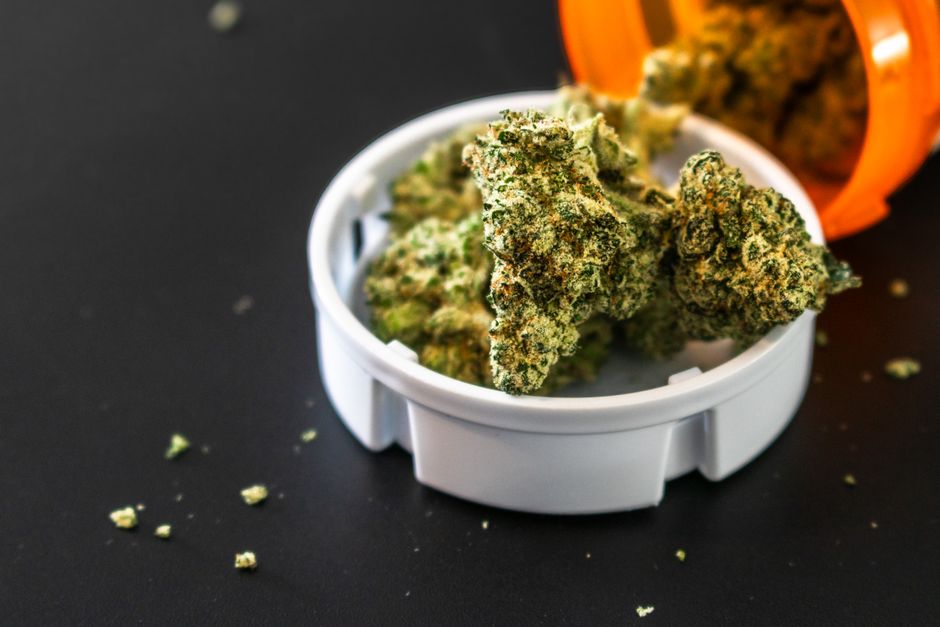
When needed, trusted specialist assessment and prescription pathways like those offered by Releaf provide additional support—and resources such as Ultimate Blogs can keep you updated on current wellness insights. Always consult professionals registered with bodies like the General Pharmaceutical Council when considering treatments.
Stress management is ultimately about informed choices—choosing strategies that are sustainable, evidence-supported, and suited to your personal needs. And best of all? Many of these good habits are completely free to adopt.