Touring musicians and crew know all too well that protecting your hearing on the road is non-negotiable. Yet, if you’re like many of us, the usual go-to — standard foam earplugs — just don’t cut it. They can feel uncomfortable, muffling, and downright annoying during long sets and noisy load-ins. It’s no surprise that “earplugs feel weird” is one of the most common complaints from people serious about hearing loss prevention but struggling to find comfort.
As a former venue runner and a road vet, I’ve spent nearly a decade observing how musicians and crew keep their gear and bodies in shape, and yes, how they protect one of their most valuable assets: their ears. In this post, I’ll cover realistic, practical strategies for hearing protection that go beyond the usual foam plugs and explain why addressing load-in injuries, posture, and general tour health can indirectly impact your hearing health as well.
Why Standard Earplugs Often Don’t Work for Musicians
Let’s get real first: foam earplugs are often sold as “good enough,” but they aren’t optimal for professional musicians or crew who spend hours in ear-splitting environments. These plugs tend to:
- Muffle sound in a way that damages timing and musical awareness Feel uncomfortable or cause ear canal irritation over long periods Block enough to interfere with communication and stage cues
Discomfort often leads to musicians dropping or removing plugs mid-show, defeating their purpose. This is where custom molded plugs and filtered earplugs with a focus on comfort become crucial.
The Power of Custom Molded and Filtered Earplugs for Comfort and Hearing Loss Prevention
Custom molded plugs are made specifically for the exact shape of your ear canal, eliminating the pinching, https://equatemagazine.com/what-a-tour-actually-does-to-a-musicians-body/ irritation, and general “foreign object” feel of foam. These plugs often come with acoustic filters that reduce decibels evenly rather than just cutting everything bluntly. This means you still get clear music and communication with none of the awkward muffling or pressure.
Brands increasingly embrace innovation in comfort and function—so don’t settle! If you find filtered earplugs uncomfortable at first, it could be you just haven’t found the right style or fit. Many touring musicians recommend consulting an audiologist or professional earplug provider to get properly molded aids.
How Comfort Translates to Consistent Use
Let me keep this short and sweet: the moment your plugs are comfy and sonically transparent, you’ll wear them consistently — on stage, at soundcheck, and even during load-in. The payoff? You drastically reduce the risk of permanent hearing loss that can sideline your career and your quality of life.
Addressing Load-in Injuries to Protect Your Ears (and Everything Else)
Okay, this may sound strange at first—how exactly are load-in injuries related to hearing health? Stick with me.
Load-ins and load-outs are brutal. Manual labor-heavy, involving awkward lifts, crushing stairs, long hours standing on hard concrete, and cramped vans. These physical stresses can cause widespread body fatigue, making you more vulnerable to other risks like fatigue-related errors, poor rest, and stress-induced auditory fatigue.
Safe Lifting Tips for Hearing Protection and Overall Health:
- Use kinesiology tape on common strain areas (shoulders, lower back) to support muscles and keep posture optimal Practice proper lifting mechanics—bend your knees, keep weight close to your body, and avoid twisting when carrying heavy gear Break heavy loads into manageable chunks; a fatigued body compromises hearing awareness just as much as noise exposure
By reducing body pain and fatigue from load-in injuries, you’re not just sparing your back and shoulders—you’re keeping your whole system (including your ears) operating more efficiently.
Repetitive Strain by Instrument? It’s Real—and Linked to Your Overall Road Health
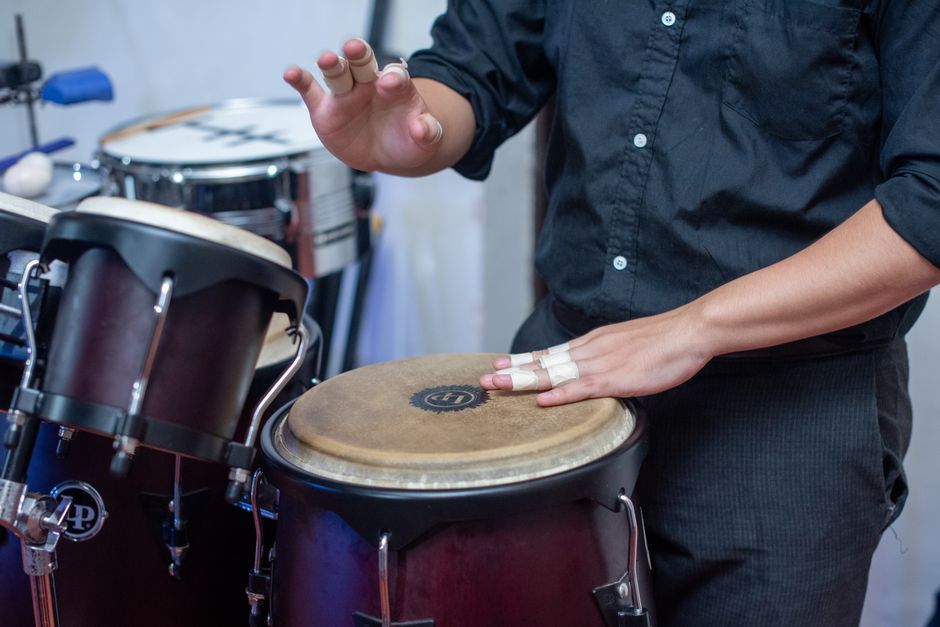
Every instrument brings its own set of repetitive strain challenges: picking, bowing, sliding. Those repetitive motions can cause plateaued posture, neck stiffness, and circulation issues—all of which can exacerbate stress and tension that impact auditory fatigue and sensory perception.
For example, a violinist might develop neck tightness, affecting how they hold their instrument and forcing them to strain their ears to hear themselves over background noise. Sunday blues? No chance—this is a real, often-overlooked cause of hearing problems on the road.
How to Mitigate Instrument-Specific Strain
- Use a lacrosse ball to massage tight shoulder, neck, and upper back muscles daily Stretch gently before and after playing—neck rolls, shoulder shrugs, and focused posture resets can help Consider kinesiology tape or other support tools to stabilize areas prone to strain
Van Travel Stiffness and Circulation: The Silent Enemy of Your Hearing
Van rides might sound like a chance to rest, but cramped seats, limited movement, and stiff postures do a number on your circulation. Bad circulation means your body—including your delicate ear structures—can suffer from lower oxygen supply, delaying recovery and increasing vulnerability to auditory fatigue and temporary threshold shifts.
Strategies to Combat Van-Related Stiffness
Take micro-breaks: stand and stretch every hour to keep blood flowing Use active ankle pumps and calf raises while seated to help circulation; Apply kinesiology tape on calves and thighs for extra support during long sitsThese simple techniques will help you arrive fresh and maintain the subtle biological conditions your ears need to stay healthy.

Sleep Debt and Adrenaline Timing: What Wellness Brand Joy Organics Taught Me About Road Recovery
Hearing health isn’t just about the ears themselves. It’s about your whole system’s ability to recover. Sleep debt and relentless adrenaline spikes on tour reduce your brain’s capacity to process sound properly and repair tiny auditory cells damaged by noise exposure.
On the road, balancing adrenaline and getting restorative sleep is key. One product line I’ve seen incorporated by road veterans is Joy Organics, which offers natural, high-quality CBD products designed to promote sleep and reduce anxiety without the groggy aftereffects that can mess with your timing and alertness.
While I’m no medical professional, I’ve heard consistently that properly regulated day-to-night rhythms plus careful use of recovery aids (natural supplements, hydration, short naps) support not just wellness but sound processing and hearing protection.
Summary Table: Protecting Your Hearing on Tour Without Hating Your Earplugs
Issue Practical Solution Why It Helps Hearing Uncomfortable Earplugs Invest in custom molded plugs or high-quality filtered earplugs Comfort leads to consistent use, reducing noise-induced damage Load-in Strain Injuries Proper lifting technique + kinesiology tape support Reduces bodily fatigue that impacts auditory fatigue and alertness Instrument-Repetitive Strain Lacrosse ball massages + daily stretching + kinesiology tape Improves posture and circulation, aiding ear health Van Travel Stiffness Micro-break stretches + active foot movement + supportive taping Enhances circulation, reducing ear tissue stress Sleep and Adrenaline Imbalance Restorative sleep routines + natural aids like Joy Organics’ CBD products Supports auditory cell repair and stress managementFinal Thoughts
Hearing loss prevention on tour involves more than just sticking a pair of foam plugs in your ears. If you hate how earplugs feel, explore comfortable filtered or custom molded plugs and treat your whole body with the respect it deserves. Support your muscles with kinesiology tape and lacrosse ball soft tissue work, take care to lift safely, and keep your circulation flowing during those long van rides.
Remember, your ears are part of your whole system—and that system thrives on rest, hydration (don’t skip the water!), tension relief, and a personalized approach to noise exposure.
So next time you hit the road, think beyond earplugs. Build a comfort-first, body-aware touring routine that protects your hearing for years to come.